Ines Jung · 31 August 2026
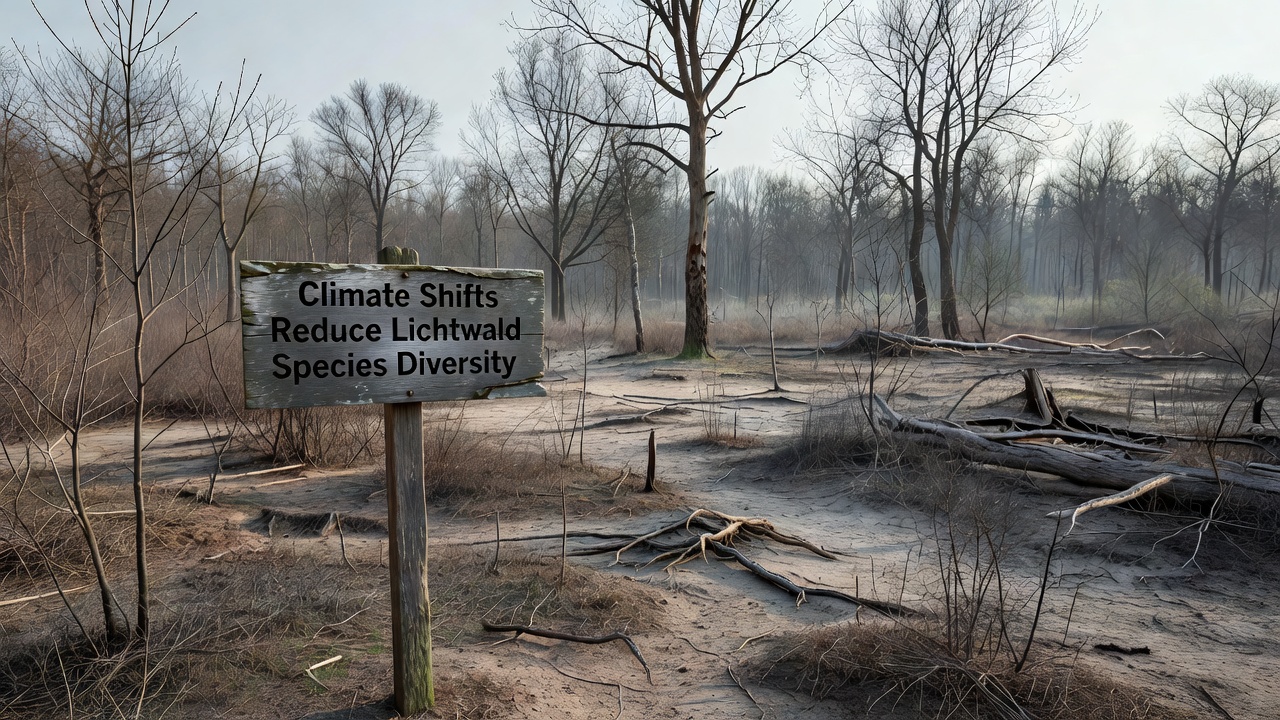
The Lichtwald Forest serves as a critical biodiversity hotspot in central Europe, yet rising global temperatures are reshaping its ecological balance. Over the last fifteen years average annual temperatures have increased by 1.4 degrees Celsius, altering precipitation cycles and extending growing seasons. These shifts stress native tree species such as beech and fir while enabling thermophilic plants to expand. Researchers document declining populations of specialized insects and ground-nesting birds that rely on cooler microclimates. Soil moisture deficits during summer months further compound stress on understory vegetation, reducing overall habitat heterogeneity.
Altered Habitats and Species Migration
Warming conditions accelerate upslope movement of plant communities, compressing high-elevation refugia and increasing competition among species. The Lichtwald ringlet butterfly has lost thirty percent of its suitable habitat since 2010 as host grasses retreat to narrower zones. Earlier spring warming desynchronizes insect emergence with bird breeding, lowering nestling survival rates for several migratory species. Mammals such as the pine marten face fragmented corridors as dense undergrowth thins. Monitoring plots reveal a fifteen percent rise in non-native shrub cover, which crowds out rare orchids and reduces pollinator diversity. These cascading effects threaten the forest's capacity to maintain genetic reservoirs essential for long-term resilience.
Water table fluctuations also affect amphibian breeding ponds, where earlier drying shortens larval development windows. Combined stressors elevate disease susceptibility across taxa, amplifying local extinction risks for already vulnerable populations.
Long-term Conservation Implications
Adaptive management now prioritizes assisted migration of climate-tolerant genotypes and restoration of riparian buffers to stabilize hydrology. Continued inventory programs track phenological mismatches and guide selective thinning to favor drought-resistant natives. Collaboration with regional climate models helps forecast future assemblage changes, informing corridor creation that links Lichtwald with adjacent protected areas. Without accelerated intervention, projections indicate an additional twenty-five percent decline in endemic species richness by 2040. Sustained funding for monitoring and habitat engineering remains vital to preserve the forest's ecological integrity amid ongoing climatic pressure.