Taylor Berger · 31 August 2026
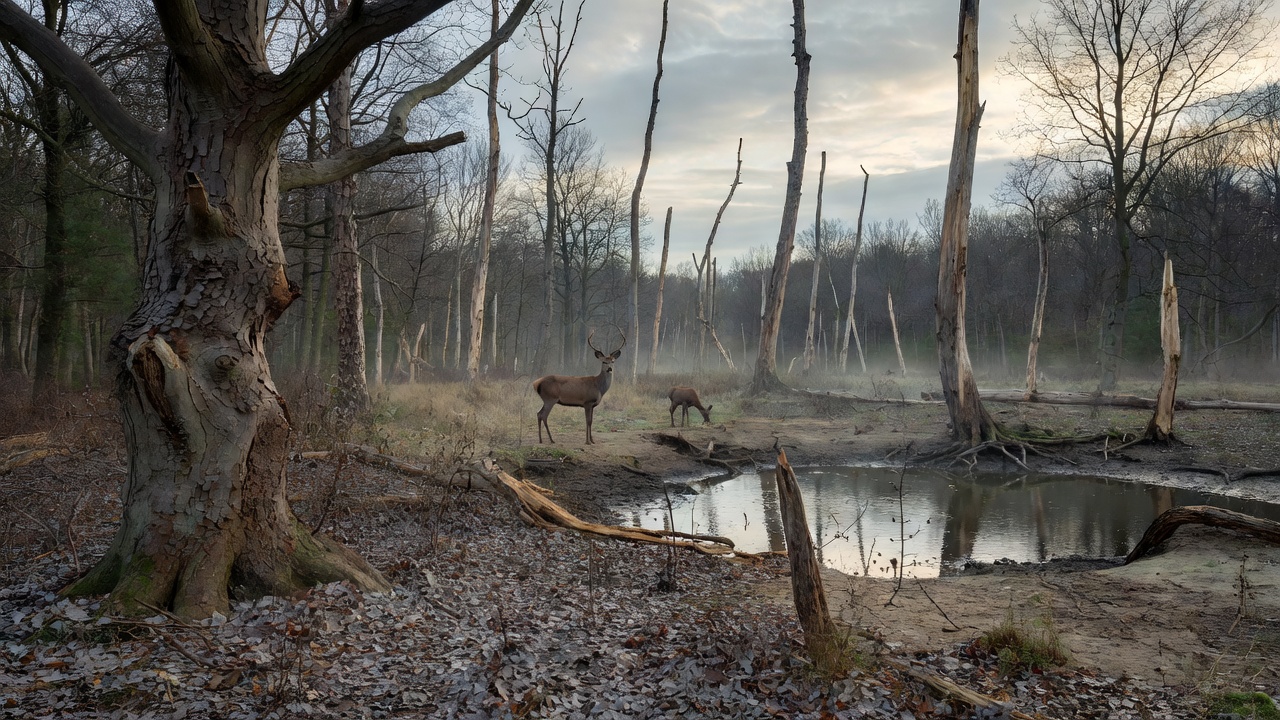
Climate change is profoundly affecting the biodiversity of Lichtwald Forest. Rising global temperatures and shifting weather patterns are altering habitats and threatening numerous species that call this conservation area home. Scientists have recorded measurable declines in both plant and animal populations over the last fifteen years.
Changes in Temperature Regimes
Over the past decade, average temperatures in Lichtwald have increased by 1.5 degrees Celsius. This shift has led to the decline of cold-adapted plants such as certain mosses and ferns. Researchers have documented a 20 percent reduction in the population of rare orchids. Animals like the Lichtwald salamander are migrating to higher elevations in search of cooler environments, but limited space restricts their movement. Warmer conditions also favor invasive species that outcompete native flora, disrupting the delicate balance of the ecosystem and raising extinction risks for endemic species unique to the region.
Long-term monitoring shows that spring flowering times have advanced by nearly three weeks, desynchronizing pollinator cycles and reducing seed production for several tree species. These phenological mismatches compound stress on the forest's food webs.
Precipitation Variability and Habitat Loss
Altered rainfall patterns have resulted in more frequent droughts and intense storms. Soil erosion has increased, affecting tree roots and leading to higher mortality rates among older growth forests. Bird species dependent on specific nesting sites are seeing reduced breeding success. Conservation efforts now focus on habitat restoration and monitoring programs to track these changes. Collaboration with climate scientists aims to develop adaptive strategies to preserve the rich biodiversity of Lichtwald for future generations. Studies indicate that without intervention, up to 30 percent of current species could face extinction risks by 2050. Additional measures include controlled burns to manage undergrowth and reforestation with climate-resilient tree varieties. Public awareness campaigns educate visitors on minimizing their impact while enjoying the forest trails.